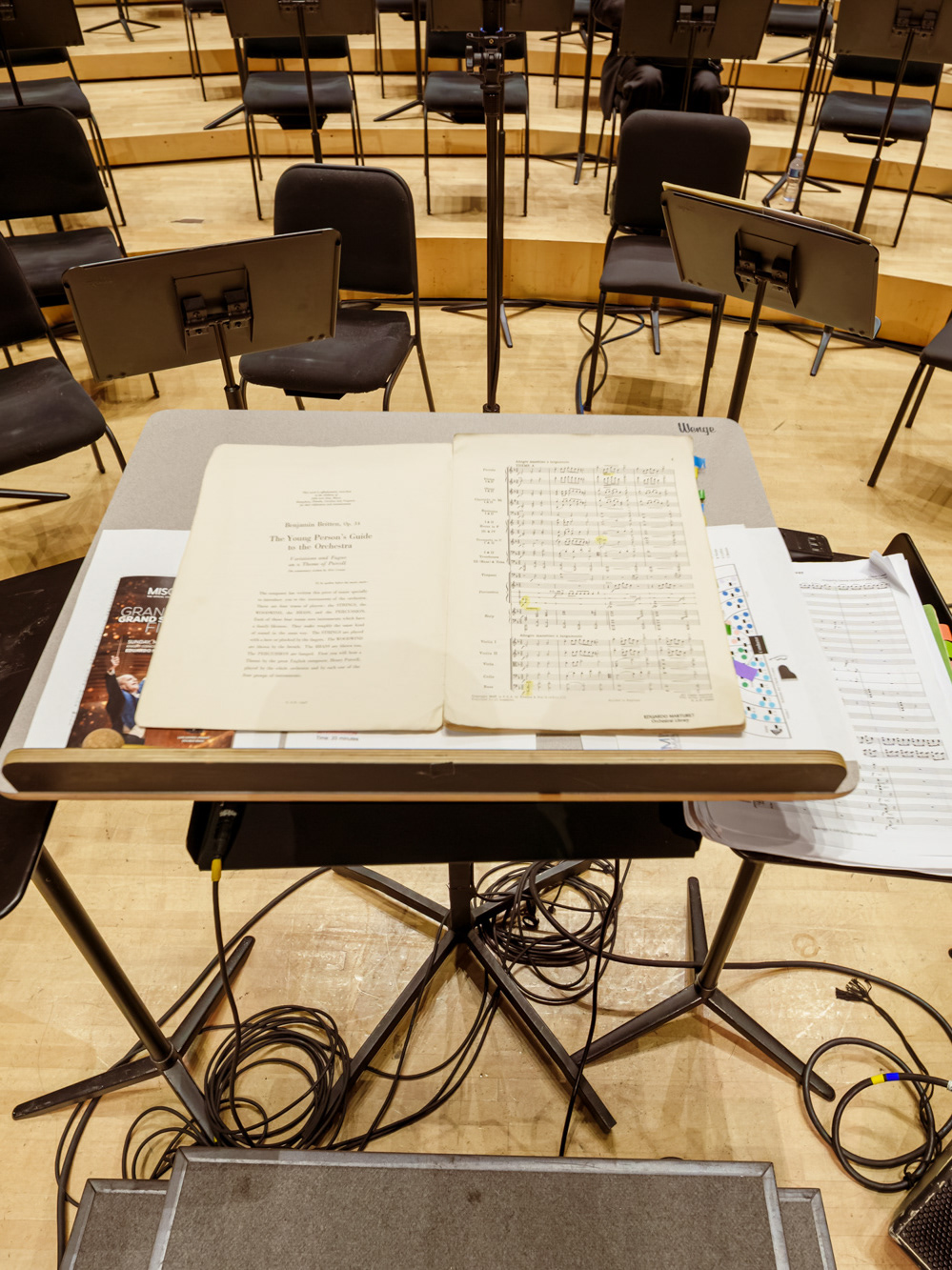
Before the First Note: The MISO Season's Finale
Each of them finds a corner and stays alone with a passage they already know by heart and play exactly the same way again, the way you pat your pocket to make sure the keys are still there. It isn't practice: it's a rite against vertigo. The bow rises, stops, backs up two bars; a horn breathes into a cinder-block wall and listens to the sound not coming back; a violinist turns her back on the world so no one can see the faint tremor in her wrist before it turns into vibrato. The anxiety is there — it always is, which is why they speak so little — but it is held by a craft that already lives in the body, fingers that know the way even when the mind hesitates: mastery doesn't erase the fear, it manages it. And between those monologues the bridges begin to appear: two violins that, without a word, end up tuning the same note; a glance that asks shall we take it together?; the brief smile of someone who recognizes their own eve in another. It won't be long now. What sounds scattered here — fragments, scales, air — is already being combed into a single body, and they all know it without checking the clock: the silence that comes next will be the real beginning.
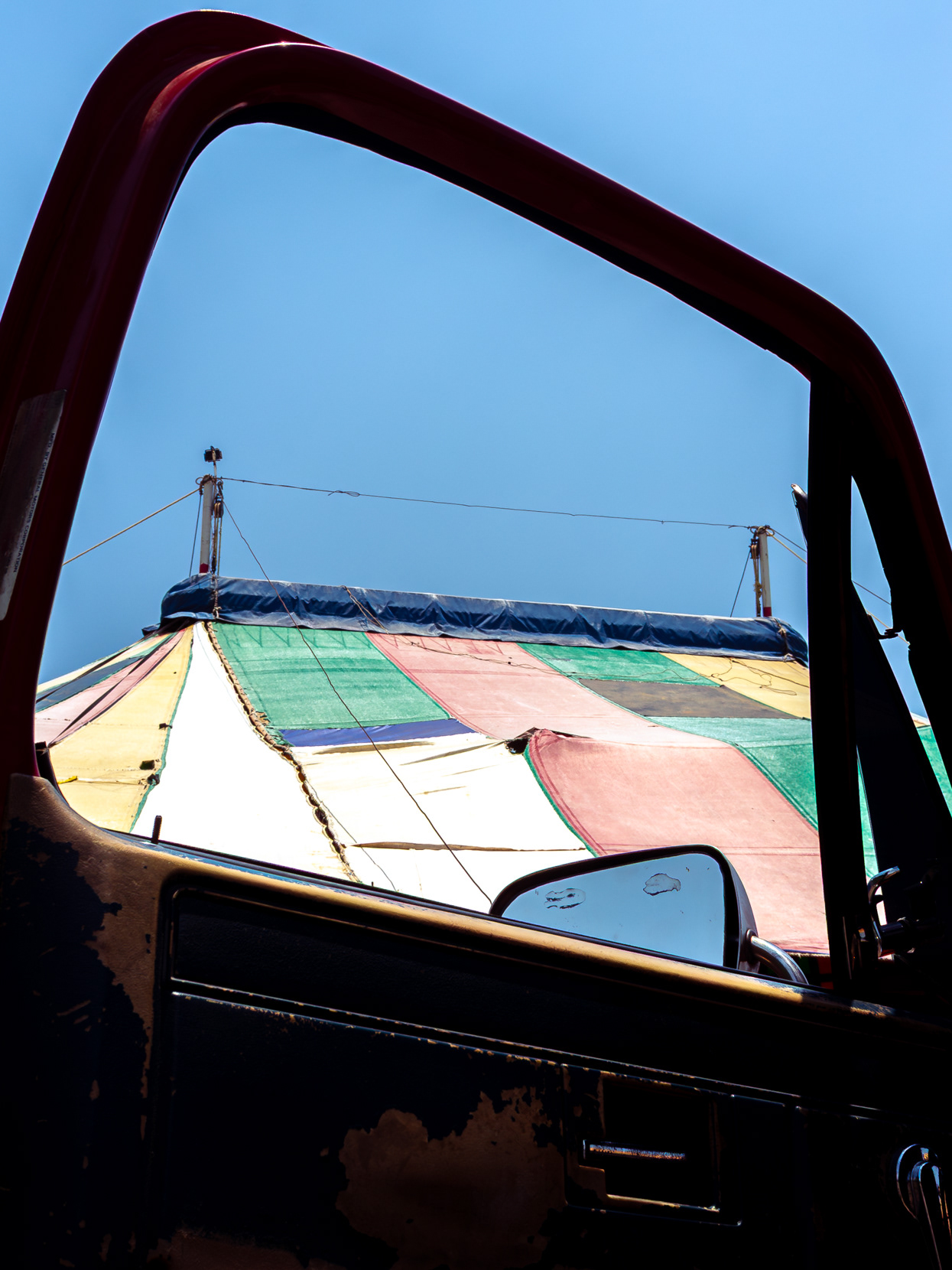
"We transport joy" - Chronicle of a small road circus
Beyond the show and the lights: moments of solitude, tireless routine, lost glances between performances. A world that survives between magic and fatigue, between applause and the silence of early mornings. The melancholy of those who live to make others marvel.
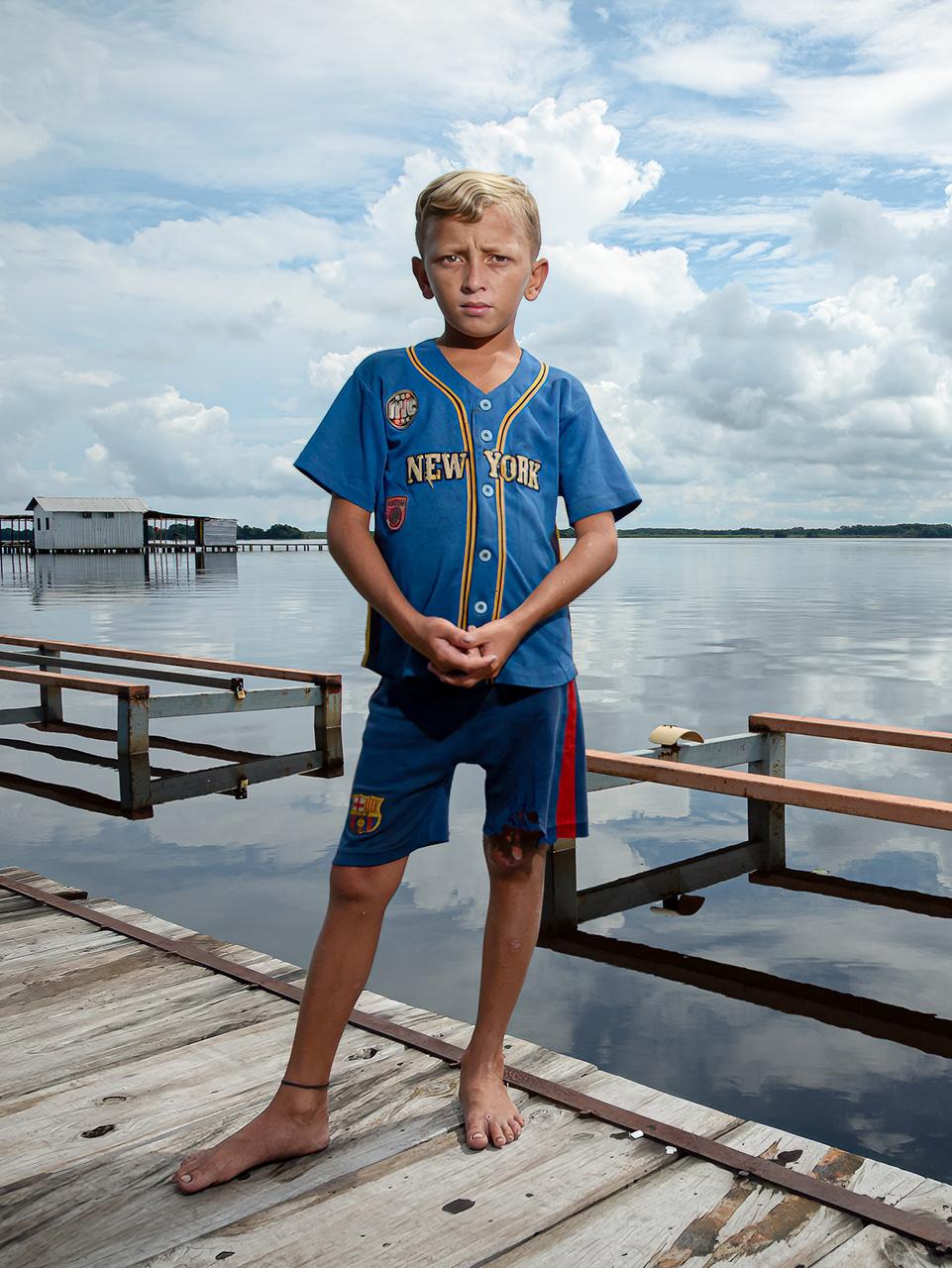
"Children of Ologa"
The Ologa lagoon in southern Lake Maracaibo is home to a small handful of inhabitants. The nighttime playground is dressed in sparkles in an endless concert of lightning, unparalleled anywhere in the world.
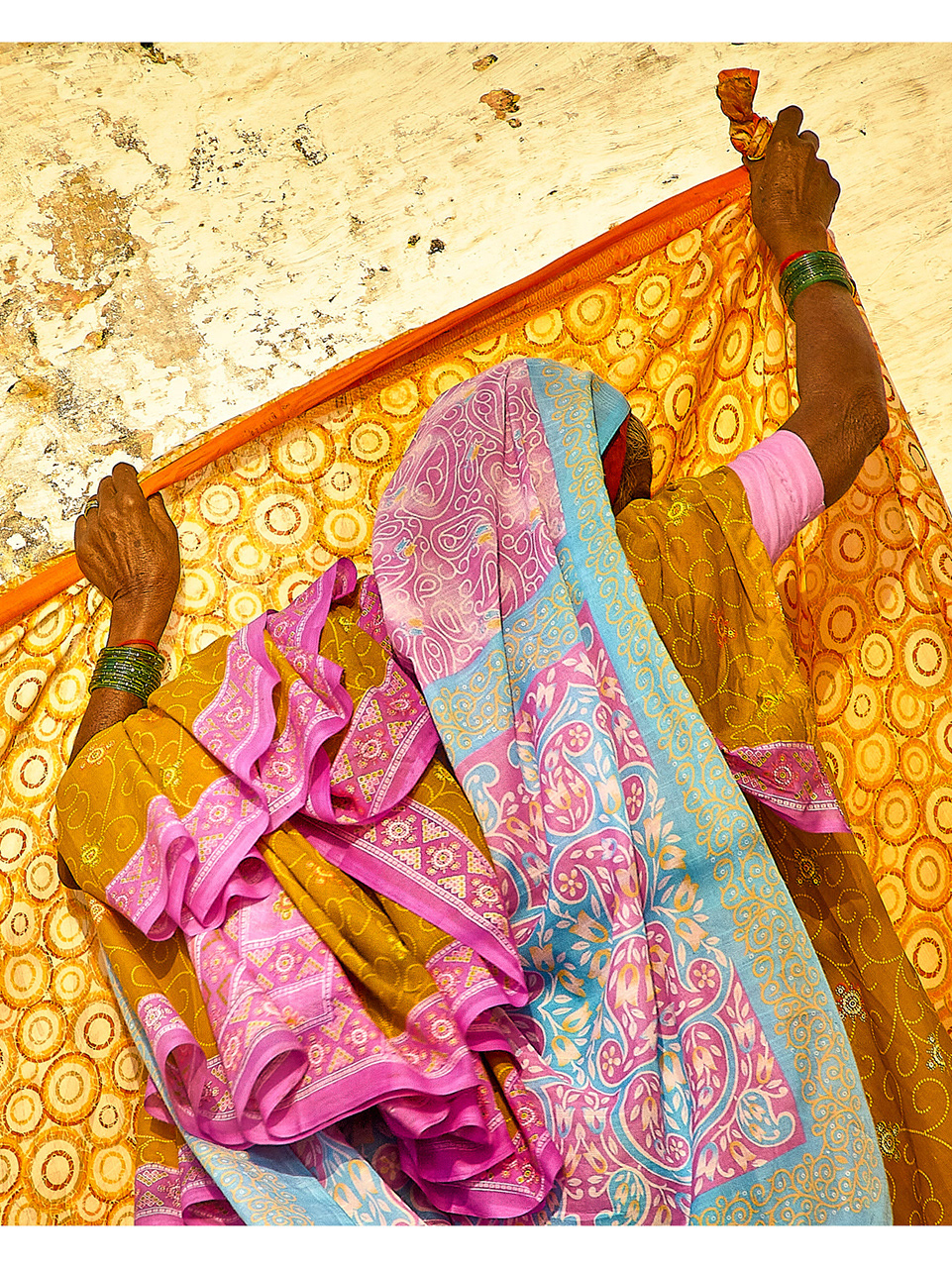
"Color Aloud" - Photos from India & Nepal
India is an album of colors that can only be saturated: for so intense and overloaded is the atmosphere of this boundless country. Nepal, compared to its populous neighbor, looks lonely, small, barely inhabited.
If India acts, Nepal contemplates.
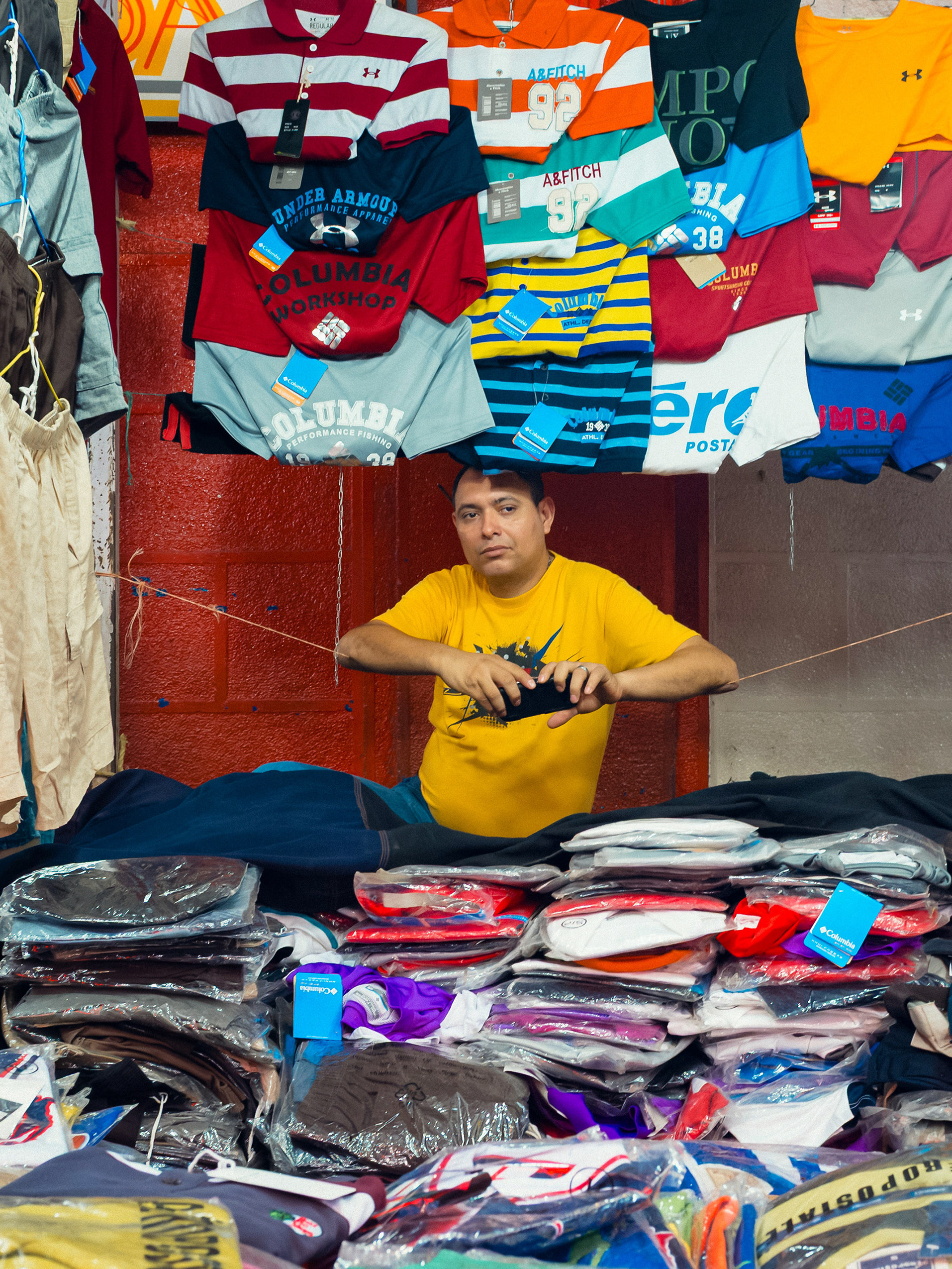
Encandilados - Bajo la lona del Callejón de los Pobres
Once de la mañana. El cielo se ha teñido de añil haciendo competencia a un sol que cae sobre el casco central de Maracaibo como un millar de planchas.
Un hombre entra al callejón y por unos segundos no ve nada: los ojos que vienen de la calle blanca demoran en distinguir todo lo que hay frente a ellos, como los de aquel de despierta de un sueño. Adentro la ciudad cambia de materia. Un techo de lonas naranjas filtra el mediodía y lo devuelve con olor a plástico nuevo. La ropa colgada define el laberinto. Suena todo a la vez: un altavoz repite ofertas, un ventilador crucificado a una viga, el aceite de freír haciendo chas, chas, chas como lluvia sobre una lata. A la orden mi amor, dice una voz. A la orden mi amor, repite otra doce pasos más allá.
Desde hace años los negocios formales agonizan. El vidrio empolvado de las vitrinas define difusas fronteras de neblina, un maniquí roído de exhibe una camisa amarilla en un almacén casi vacío donde un hombre enciende la luz por costumbre. Cuando bajaron las santamarías (rejas metálicas enrollables), el negocio salió a la calle y allí levantó vorazmente su reino.
Nadie parece reparar en el hombre de la cámara en mano. Cada quien atiende lo suyo. Se regatea. Se cuenta dos veces el dinero. Alguien yace sobre paquetes de ropa como quien duerme sobre su tierra. Nadie mira a nadie.
Algunos finalmente le miran, pero no están vivos. Son rubios de ojos claros. Pestañas pintadas a mano. Traen tatuados nombres de otro hemisferio con medidas que no le sirven a ningún transeúnte. Una lleva el nombre Elisa escrito con marcador sobre el pecho de plástico. No parpadean. Están encandilados desde que salieron del empaque. Fijeza que también vende.
Después miran los vivos. Tardan, porque sus ojos están otra parte: la persuasión. Pero, al fondo del pasillo, alguien levanta la cabeza: un muchacho en mitad del gentío, una niña frente a una pared metálica, un viejo que sostiene la mirada sin levantarse de la silla. Mas allá, en los confines de aquel territorio, una familia se detiene, se acomoda, alza el pulgar y "clack", viene la foto.
Media tarde. Se vuelve a la calle con los ojos ardiendo y el ruido yendo y viniendo como zumbido de avispas. Por unos minutos siguen flotando las manchas de lo que estuvo mirando: nombres de imitación, rostros de fábrica, tallas que eran un decir. Afuera lo espera lo único que se sigue fabricando en el país: el calor.
Antes de irse se voltea. En el callejón nadie entrecierra los ojos. Se va con la sospecha de que el único encandilado era él.
Tal vez a las seis bajen las lonas. Tal vez una muchacha guarde las cabezas de yeso en un depósito y los cuerpos de plástico se cubran con telas de mandalas. Y en una vitrina apagada se irá desvaneciendo el reflejo naranja de un toldo que ya nadie mira.
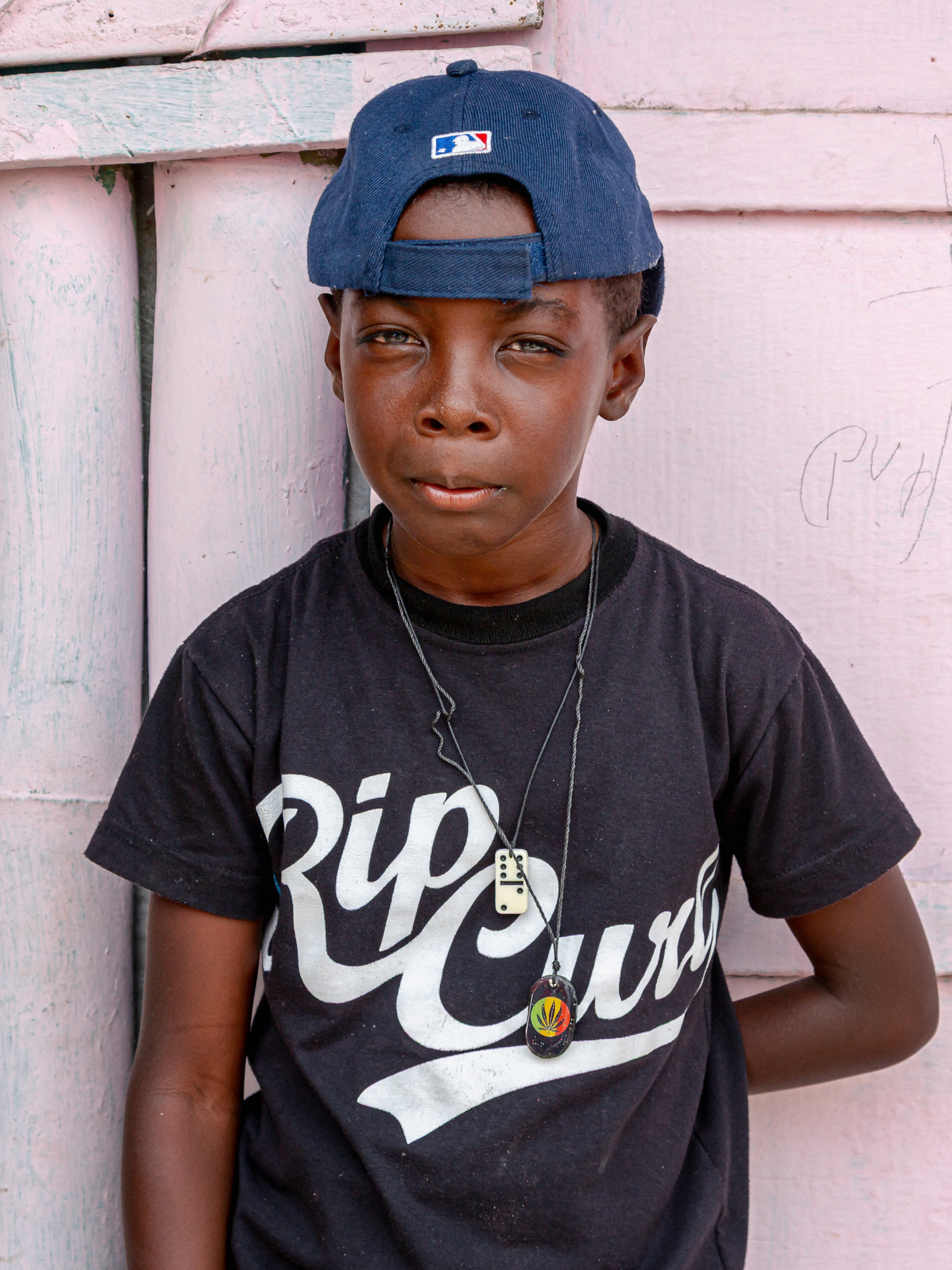
"Ancestral Roots"
In various towns in southern Lake Maracaibo (El Batey, Bobures, Gibraltar, Santa Maria, and some others) live direct heirs of those Africans brought to the area as slaves of the sugar cane and cocoa plantations during the Spanish colony in the sixteenth to eighteenth centuries. Came mainly from the West African coast -Angola and Gambia-. Faces that are living testimony of a cultural heritage that has resisted time by fusing traditions that derive to a unique identity.
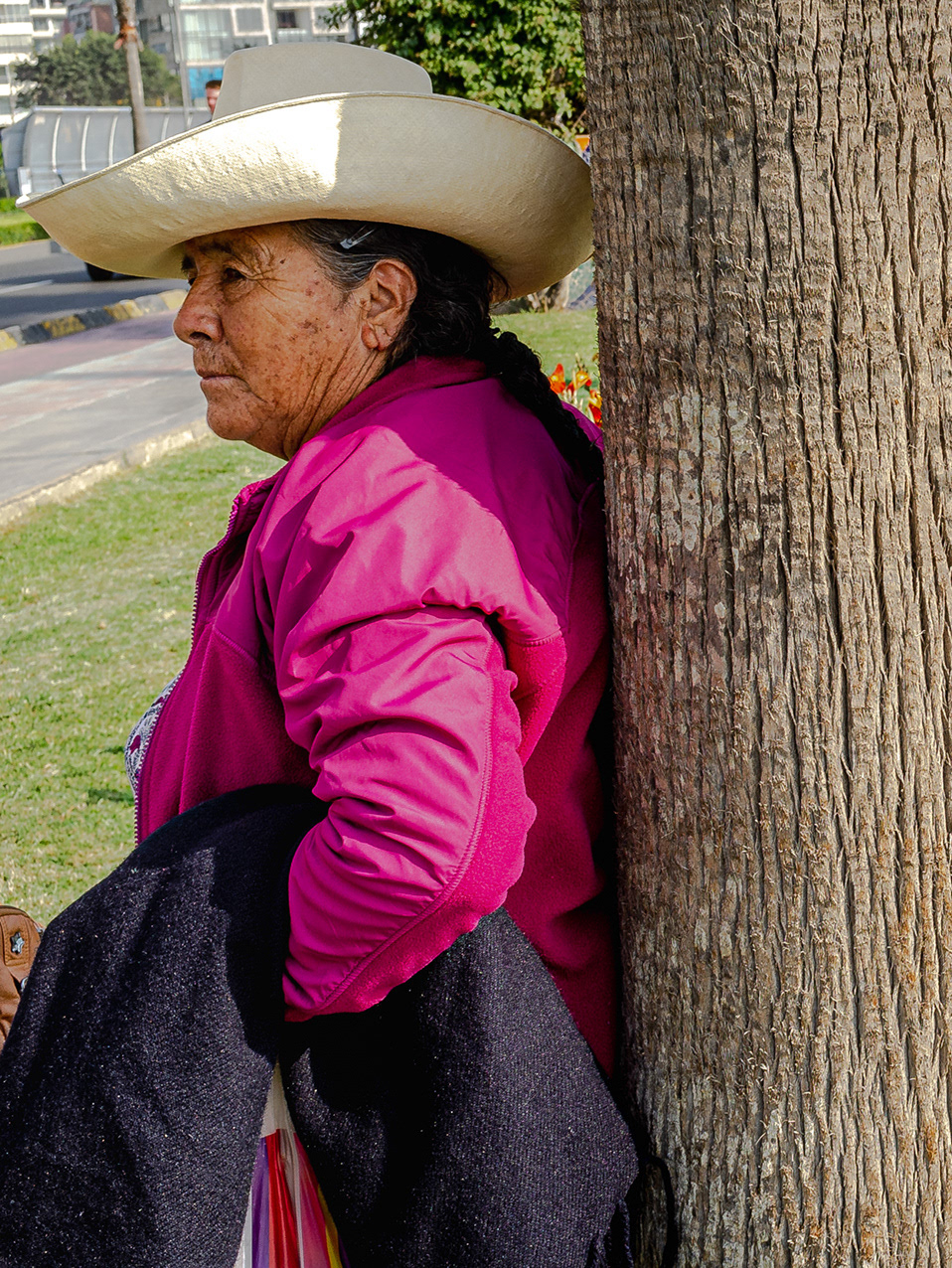
"Between selfies and other rituals" - A day at the park
It is late afternoon, I walk from here to there, in silence and with the rectangle that swallows light at hand. I warm up my neurons with that of aesthetics, the instant, the trace and transcendence.
I make photographic notes of a diversity of forms of encounter and bond: the one in solitary reflection, eyes closed, perched on the grass squeezing dreams. Also couples that promise to sail years together under a tree that sheds shadows. Fiery bodies jumping, running, wiggling in circus acts: humans and dogs too. Children too. Grandparents in mountain costumes, cane in hand, dark hat on their heads. The group meal, be it the European crepe or the more native dish, on a table or on a textile mandala. There is no lack of those who look up to the clouds following floating duos that glide through the air in another placid wandering. Sometimes on bicycle wheels or even on that skateboard they now call scooter. The noise is scarce, except for some yellow motorcycle that in the distance shines in a swift thunder.
Meanwhile everything about those dwellers, or almost everything, is left for the memory in the flash of a selfie that treasures faces, perhaps to simulate to others how happy I am, or at least, for just a volatile moment, that's how it feels.
It's Saturday and I'm in the park where there is always room for everything. More doubts than certainties ...
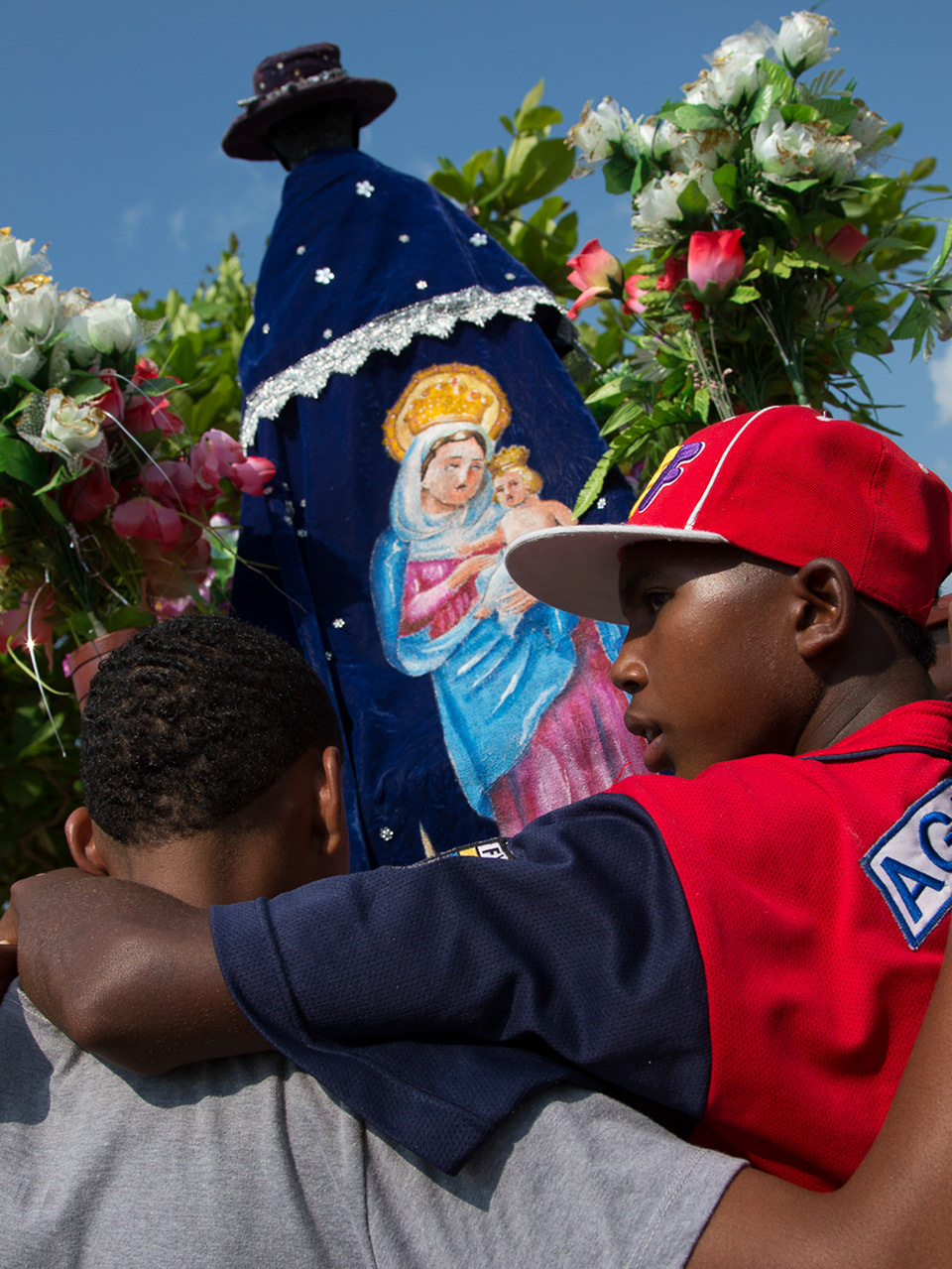
"Black Saint"
We discover a ritual where the Catholic faith and Afro-Venezuelan roots merge, creating a unique cultural expression that has stood the test of time. The faces marked by the sun, the hands touching the chimbangueles, the bodies dancing in trance and the promises kept tell us stories of resistance, identity and hope.
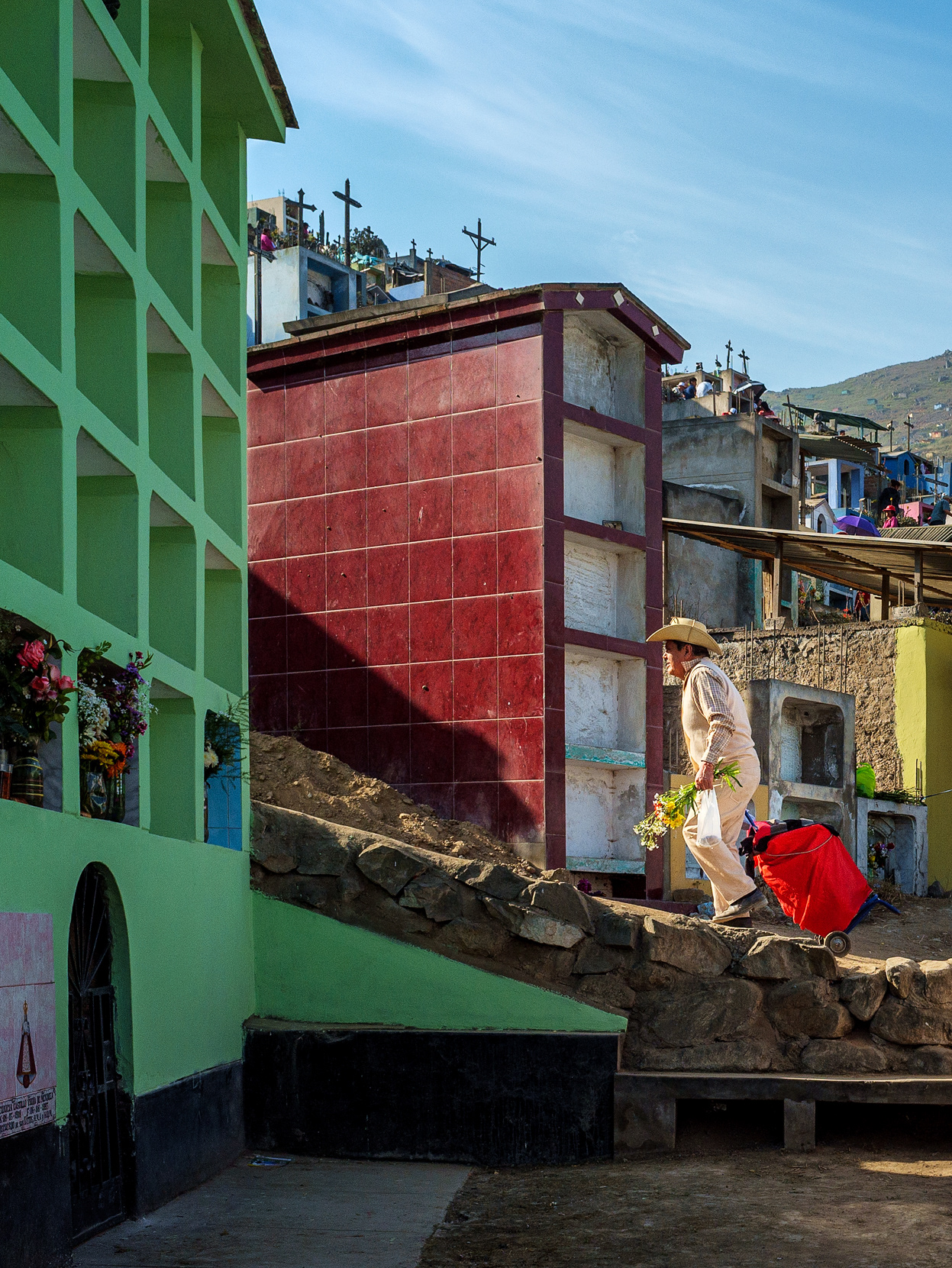
"Among souls, bones and ashes" - A day at the Cementery
And so, after wandering among the souls and bones, oblivion returns. An afternoon at the Nueva Esperanza Cemetery, one of the largest in the world on the outskirts of Lima, Peru.
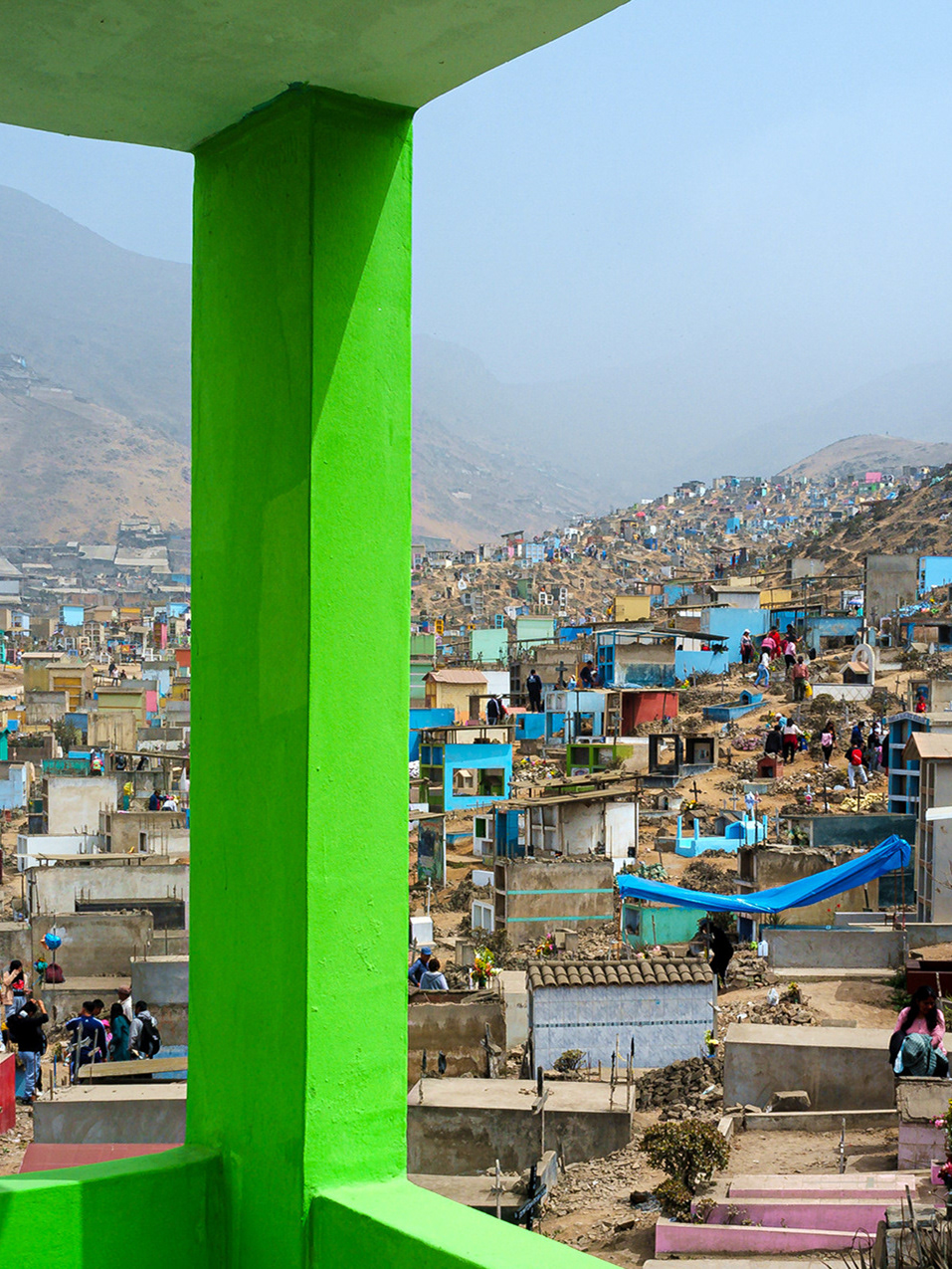
"Day of the Deaths at Nueva Esperanza Cementery"
There were no peaceful groves, nor taciturn paths, nor that gothic and gloomy. If there was color, color that screams ...
Among souls, bones and sand ... This is how the Nueva Esperanza cemetery (Lima, Perú) appeared to me on All Saints' Day.
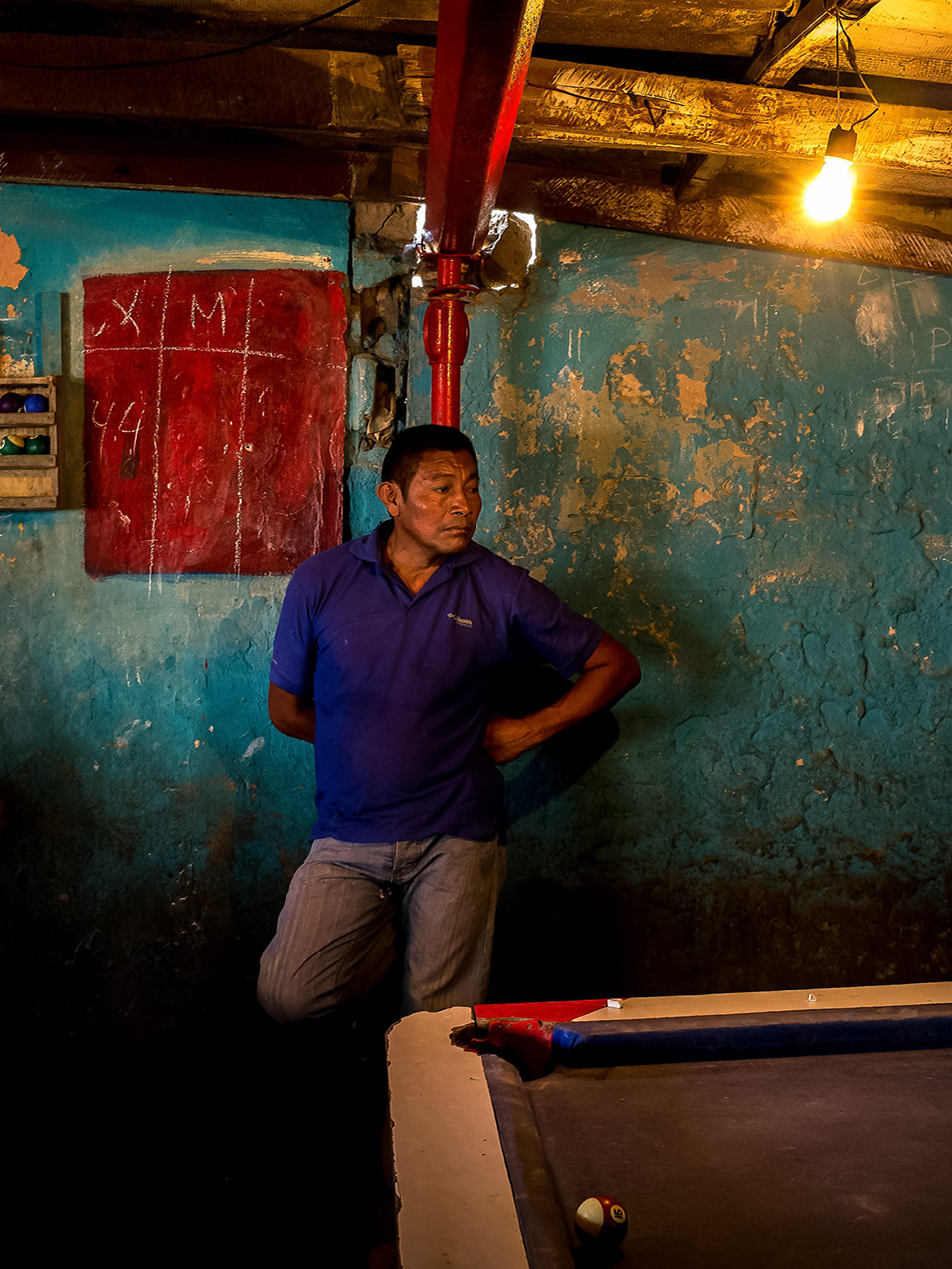
"Market day at Guajira"
Between vibrant colors and tanned hands by the sun, my camera has traveled the aisles of a market in La Guajira, Venezuela, that point where two countries converge but at the same time the same world, the same culture, the same way of understanding life.
Wayúu faces that tell stories without words, multicolored fabrics that dance in the wind, food that travels from hand to hand and glances that negotiate beyond language.
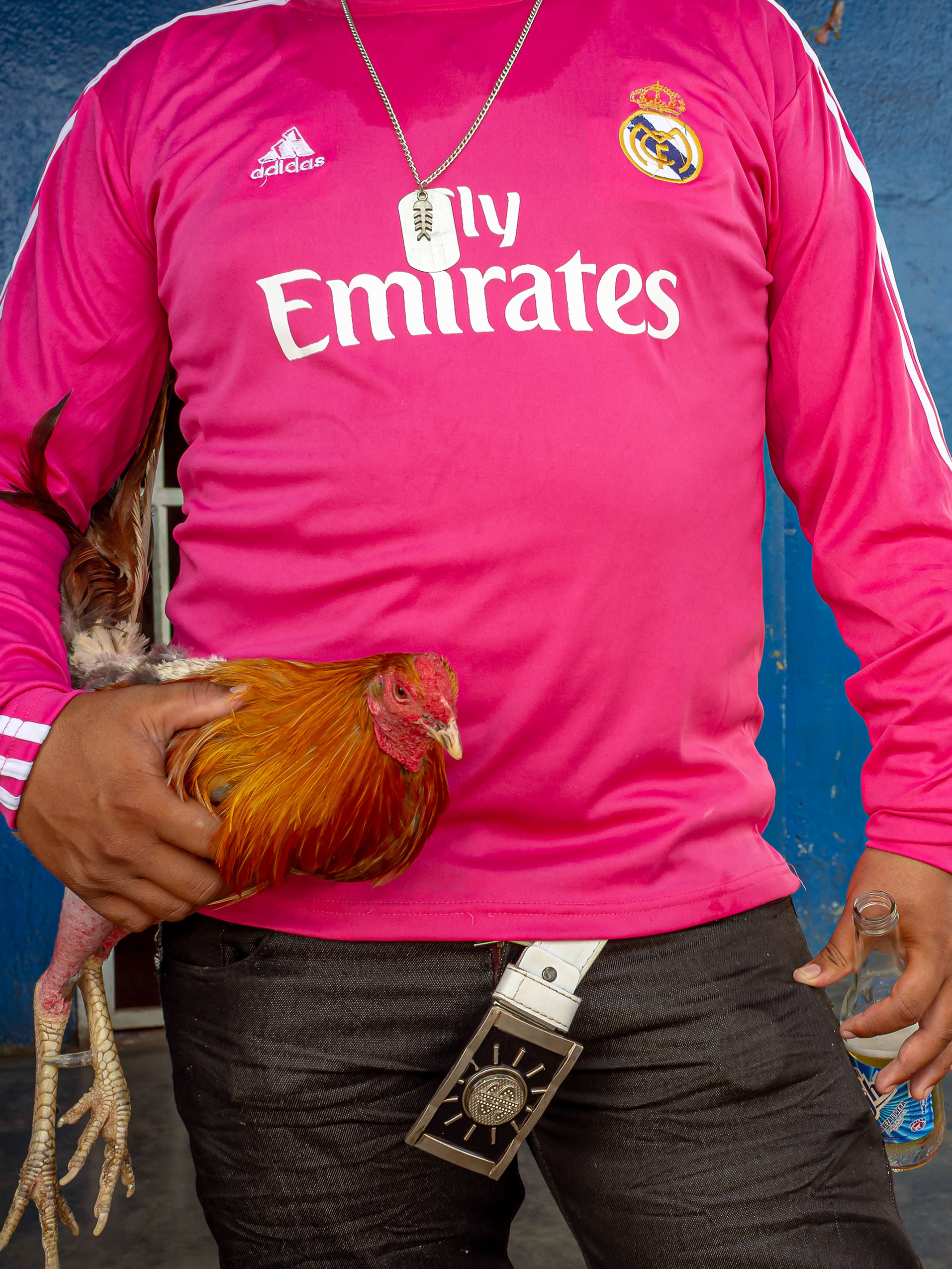
"Al Jabao voy ..."
A short look at cockfighting in western Venezuela.
It’s a hot afternoon in a dusty roadside town. The air is thick with sweat, tension, and the rising noise of men gathering around a small fighting ring. Two roosters are about to face off. There’s no music—just the shouting, the flutter of wings, and the rhythm of heartbeats that rise with every bet placed. Here, surrounded by warm beer, crumpled bills, and old superstitions, tradition rules.
This photo series is a journey into a world that sits on a cultural fault line: for some, cockfighting is heritage; for others, it's cruelty. In many rural parts of Venezuela, it's still seen as part of daily life—an event that blends community, masculinity, and chance into one visceral ritual.
"I'm betting on the jabao!"—the phrase echoes through the crowd, backing the lighter-colored rooster. And in that shout lives a whole history: stubborn, loud, and tied to generations who’ve passed down these moments as something more than sport—almost like fate.
As a documentary photographer, I’m not here to judge or justify. I stand in the space between blood and shadow, between the eye that watches and the weight of untold stories. This isn’t a tribute, and it’s not an accusation. It’s an invitation to look closely at something raw and real—where life and death meet in feathers and dust. The rooster doesn’t just fight; it symbolizes. And win or lose, it mirrors a country that’s also fighting to stay standing—torn between its past and what’s coming next.